Wed 06/17/2026
THE owner of Manitoba’s sole potash mine plans to send its first shipment to Europe via the Port of Churchill this fall.
Upwards of 200 tonnes of potash will travel to the Port of Antwerp Bruges in Belgium, said Daymon Guillas, president of the Potash Agri Development Corporation of Manitoba (PADCOM).
From there, it’ll be taken to a client in France.
“This is a test shipment,” said Guillas, who declined to give the customer’s name.
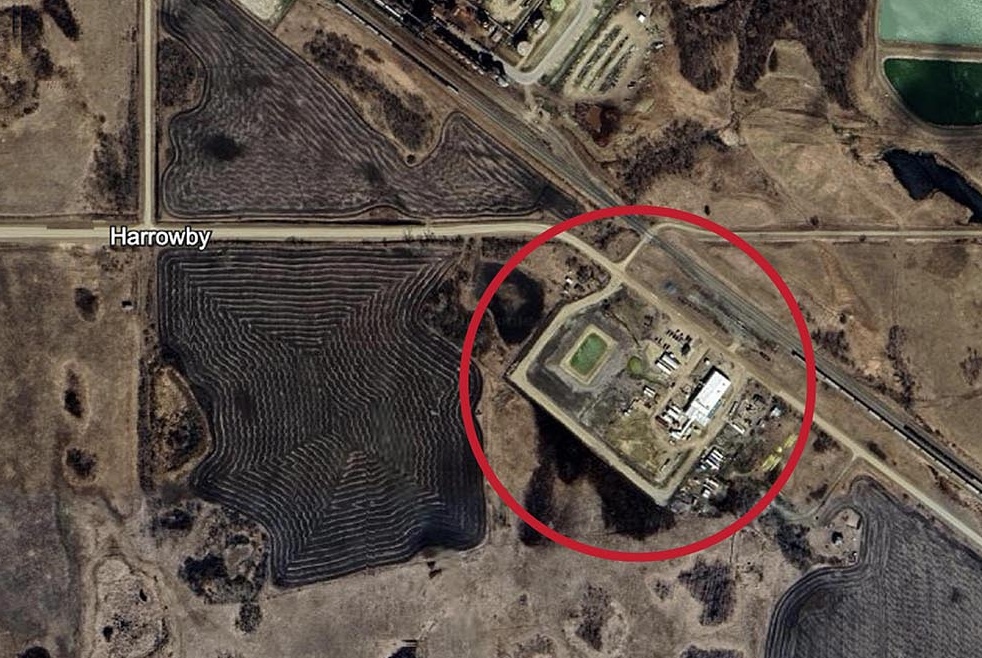
The Harrowby potash mine has been in a test production phase. Staff extracted around 10,000 tonnes between February and April
this year, Guillas said.
Potash is largely used in fertilizer. Canada — specifically, Saskatchewan — produces the most potash in the world. In 2024, it accounted for nearly one-third of production.
European countries buy potash from Russia, the world’s second largest producer. The EU placed import quotas following Russia’s invasion of Ukraine and has attempted to reduce reliance on Russian
fertilizer.
Guillas said PADCOM is seeing great demand for its goods within North America and Europe. Potential customers have requested upwards of one million tonnes of potash from PADCOM, he said.
The company began mining this year after 19 years of behind-the scenes efforts. PADCOM has government approval to extract 250,000 tonnes of potash annually.
The site is across the border from Saskatchewan potash mines. Saskatchewan accounted for 25 million tonnes of production in 2024.
Guillas aims to add another 20,000 tonnes of production to the Harrowby mine this summer by creating new wells.
Most of the recently extracted potash will be sold to farmers in the Prairies, Guillas said. It’ll be transported by truck.
In the French customer’s case, two to four shipping containers will travel along the Hudson Bay Railway before landing at the Port of Churchill on the edge of Hudson Bay. An exact date hasn’t been finalized.
“The cost to go to the East Coast or the West Coast to a port is astronomical. It’s not within PADCOM’s affordability,” Guillas said. “Churchill is PADCOM’s only ability to vessel potash to Europe and
South America.
“We’ll always support Churchill … As they grow, we’ll grow with
them.”
PADCOM is in talks with Arctic Gateway Group, which owns the Port of Churchill, about building a roughly 50,000 tonne storage facility at the northern Manitoba port. Costs are being worked out, Guillas said.
The barge taking PADCOM’s potash to Europe will likely also be filled with other goods. Those shipments haven’t been finalized, though zinc concentrate will move through the port again, said Chris Avery,
Arctic Gateway Group president.
He was unsure whether the two commodities would be on the same ship. Hudbay Minerals has been shipping zinc concentrate through
the port since 2024.
A northern supply vessel is slated to transport goods from Churchill to the Kivalliq region of Nunavut later this month or early July. Vehicles and building supplies will be on board, Avery said.
Meantime, Arctic Gateway Group continues to talk with Ottawa’s Major Projects Office about making a Port of Churchill expansion a nation-building project.
“The more progress that we make on things like … potash, agricultural products, (it) just helps the case,” Avery said. “It’s all part of the momentum that we’re building.”
Construction of the port’s wharf face is ongoing. Shipments will be planned around the work, Avery said.
A round-trip for rail containers from Harrowby to Churchill shouldn’t exceed a week, Guillas said. It takes 10 sailing days, on average, to reach the Port of Antwerp from Churchill.
That’s a drop from the average 13 or 14 days via the Port of Thunder Bay on Lake Superior, an Arctic Gateway Group spokesperson said.
Guillas is working on profit-sharing agreements with
Waywayseecappo, Birdtail Sioux and Gambler First Nations. The Manitoba Métis Federation signed a royalty agreement with PADCOM in 2025. Details haven’t been publicly disclosed.
“It’s a very, very important mineral for the future,” David Chartrand, MMF president, said of potash.
He pointed to the world’s growing population — it surpassed eight billion in 2022. Feeding everyone will require soil maintenance, he said.
“It is becoming seriously worrisome for some countries,” Chartrand said. “We’ve got to look at how we start changing the way we focus our future economic growth.
“I think we’ve got to take advantage of what’s here and realize we’re sitting on a massive gold mine of natural resources.”
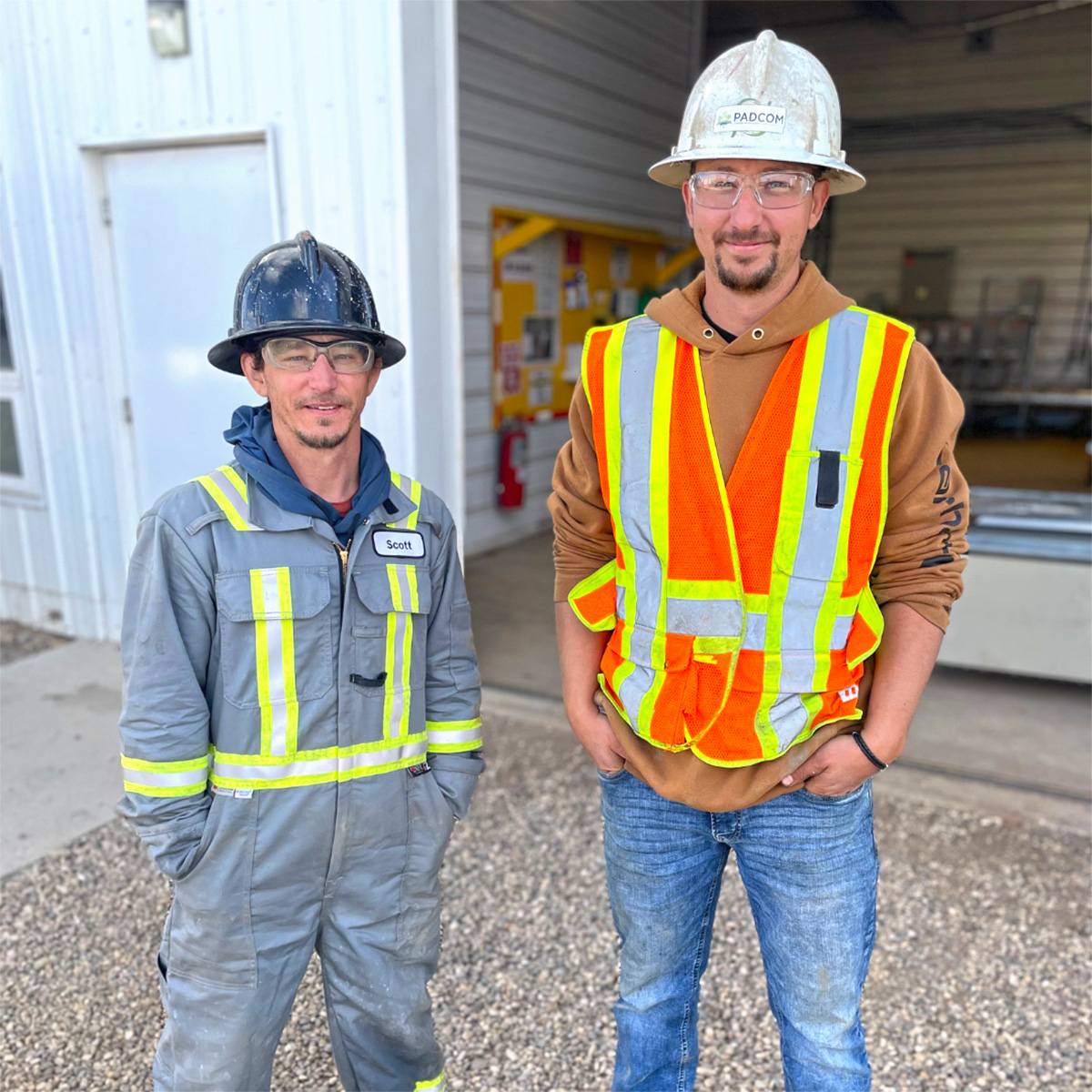
PADCOM employs 19 staff, including local First Nations and Métis residents, Guillas said, adding the mine’s life exceeds 100 years and holds 74 million tonnes of potash reserves.
This email address is being protected from spambots. You need JavaScript enabled to view it.
Copyright (c)2026 winnipeg, Edition Winnipeg
GABRIELLE PICHÉ